Layered Necklaces
A layered necklace is a necklace built from multiple strands or chains of different lengths, worn together as a single piece rather than as separate items. The layering can be a fixed design — several chains permanently joined at the clasp — or a look built by combining two or three individual necklaces of complementary lengths. Both approaches fall under the same category, but they behave differently in terms of cost, flexibility, and how easy they are to wear without tangling.
This collection brings together three distinct approaches to layering: handmade layered necklaces built with artisanal, one-off construction; moti (pearl) layered pieces that lean traditional; and gold-plated chain sets designed for everyday versatility. This page covers what separates the three, how to choose length combinations that actually work together, and how to style and care for a layered piece so it reads as intentional rather than cluttered.
What Makes a Necklace "Layered"
Three things define the category, and they matter more than the word "layered" alone suggests:
-
Multiple distinct lengths — a layered necklace only works visually if each strand sits at a different point on the chest rather than overlapping at the same level
-
Either fixed or modular construction — some pieces are built as one connected item with a single clasp; others are separate necklaces designed to be worn together
-
Deliberate spacing — the gap between each strand is what makes the layered look read as considered rather than accidental, and this is the detail most layering attempts get wrong
A well-designed layered piece removes the guesswork of building a layered look from scratch, since the lengths and spacing are already calculated to work together.
Three Ways We Build Layered Necklaces
Handmade Layered Necklaces
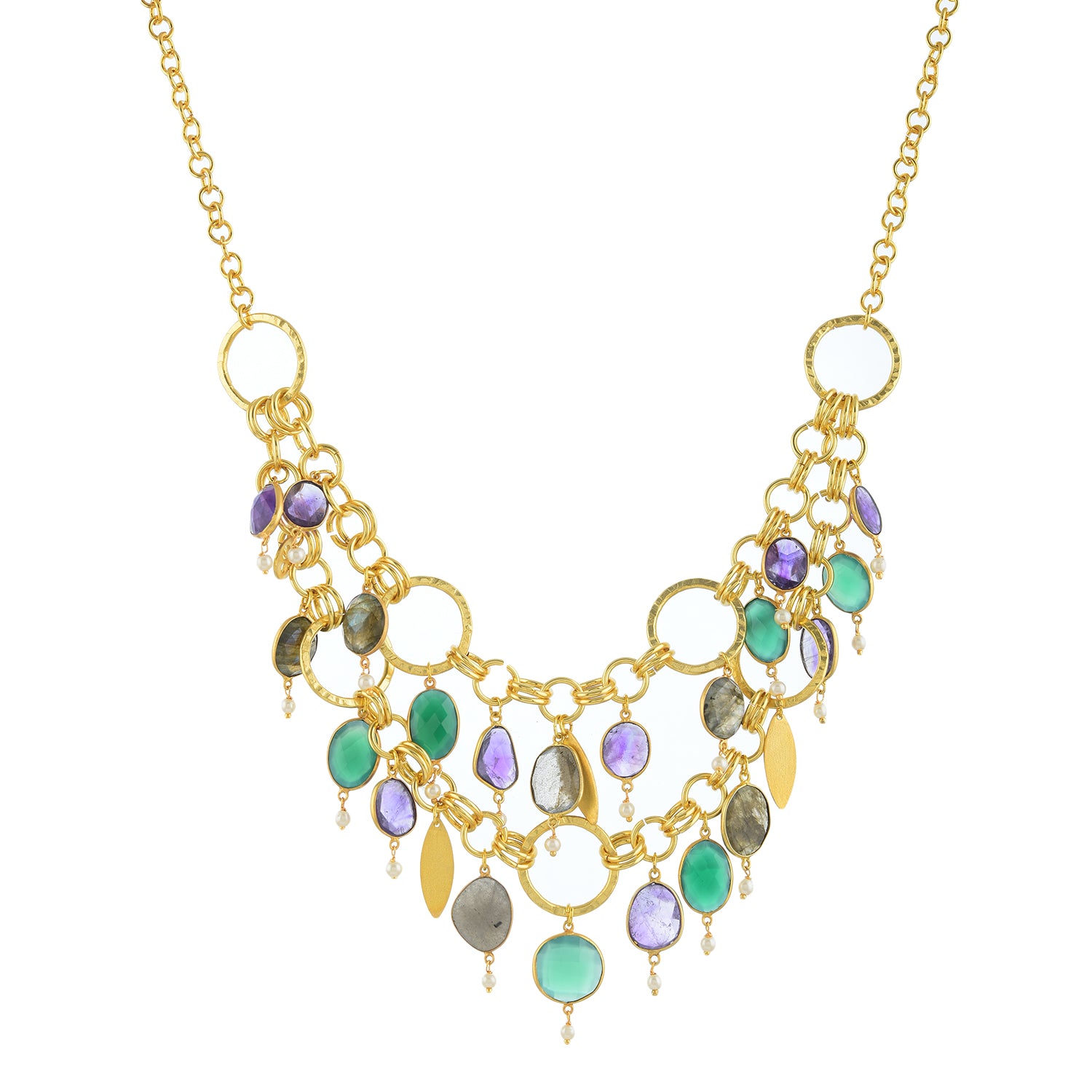
Handmade pieces in this collection are built individually rather than mass-produced on a single line, which means more variation between pieces, more time invested per necklace, and construction detail — knotting, hand-set links, individually placed elements — that machine production doesn't replicate in quite the same way. This is also the category where craftsmanship is most visible up close: slightly irregular knotting, hand-finished clasps, and small variations between pieces of the same design are part of what handmade means, not a flaw in it. For more on why this distinction matters, our Carat Conversations piece on why handcrafted jewellery will never be replaced by machines goes into this in more depth.
Moti (Pearl) Layered Necklaces
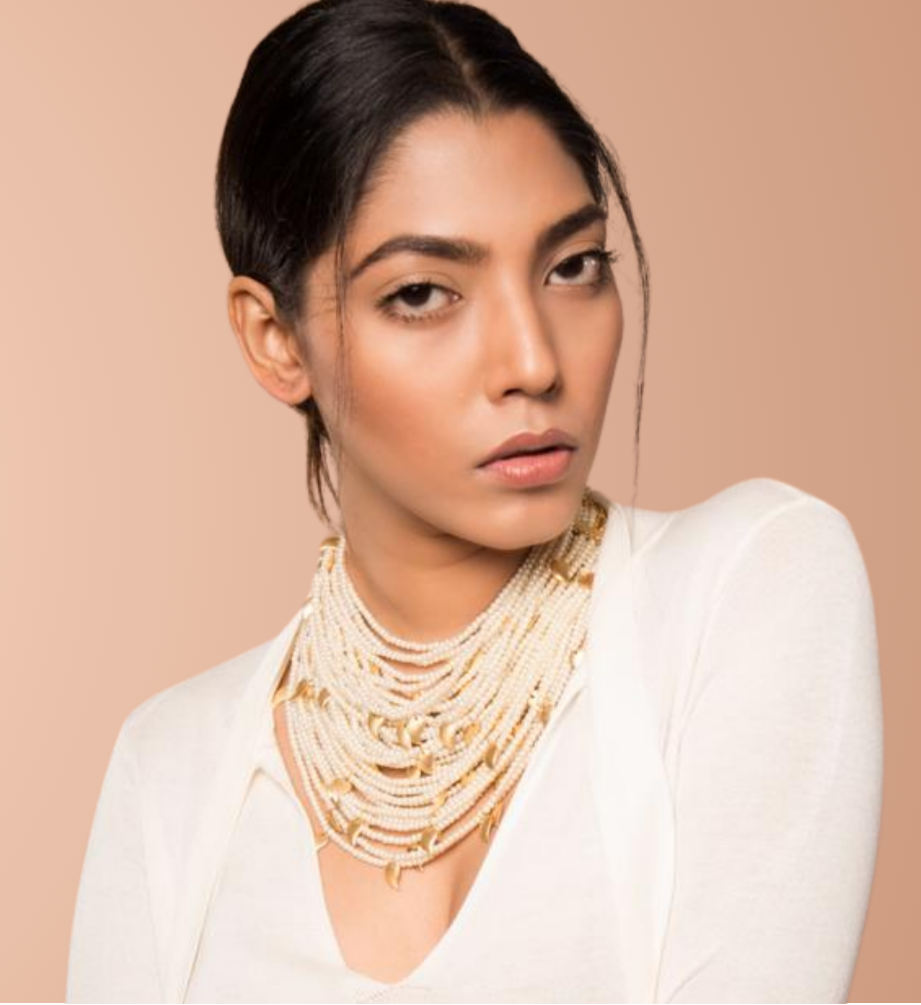
Moti-strand layering pairs multiple rows of pearls, or pearls combined with gold-tone chain, at different lengths. This is the most traditionally rooted layering style in the collection and tends to suit festive, wedding-adjacent, and ethnic wear particularly well, though modern pairings with simpler chains keep it wearable outside strictly traditional settings too. See our dedicated moti collection for the fuller range of pearl-based pieces beyond layered sets specifically.
Gold-Plated Chain Layered Necklaces
This is the most versatile and most frequently worn category of the three — fine gold-toned chains at varying lengths, built for daily rotation rather than occasion-specific wear. Because these are gold-plated rather than solid gold, building a layered set this way is considerably more accessible than layering with solid gold chains, where the cost multiplies with every additional strand.
Choosing Length Combinations That Work
If you're building a layered look from separate pieces rather than buying a fixed set, spacing between lengths matters more than the specific lengths themselves:
-
A noticeable gap between each strand — generally at least a couple of inches — keeps the layers visually distinct rather than bunching together at the same point
-
Three strands is usually the practical ceiling for most necklines before the look becomes visually busy rather than considered
-
A short strand near the collarbone, paired with a mid and longer length, is the most broadly flattering combination across body types and necklines
-
Matching clasp and chain style across separate pieces keeps a built-from-scratch layered look coherent, even when the individual necklaces weren't designed as a set
A pre-built layered necklace removes this calculation entirely, which is part of why they're a simpler starting point than assembling a look from unrelated pieces.
Layering with a Choker
A layered necklace pairs naturally with a snug choker as the shortest layer, provided the choker style and the layered chains share a similar metal tone. For chokers specifically built to layer well, see our choker necklaces collection — it covers fit and construction in more depth than this page does.
Styling Layered Necklaces by Outfit and Neckline
-
V-necks and scoop necklines are the most naturally suited to layering, since the open space at the chest gives each strand room to sit distinctly
-
Off-shoulder and strapless necklines work particularly well with moti or handmade layered pieces for evening and festive settings
-
High necklines and turtlenecks generally don't leave enough space for more than one visible layer, and a single choker or short necklace usually works better here instead
-
Sarees and Indo-western outfits pair well with moti-strand layering specifically, echoing traditional layering conventions
-
Western tops and dresses generally suit gold-plated chain layering better, since the finer, simpler chains read as modern rather than traditional
Choosing by Occasion
-
Everyday and office wear: a fine gold-plated chain layered set, kept to two strands, reads as polished without feeling like an event piece
-
Evening and dinners out: a slightly more detailed layered piece, or one incorporating a small pendant on the shortest strand, adds definition without needing additional jewellery
-
Festive occasions: moti or handmade layered pieces pair naturally with festive and ethnic outfits — see our festive jewellery collection for the broader occasion range
-
Weddings: a more elaborate handmade or moti-based layered piece works well as a standalone statement for wedding-adjacent events; our wedding jewellery collection covers this specifically
-
Layering with a shorter or longer standalone piece: our short necklaces and long necklaces collections both work as building blocks if you'd rather construct a layered look manually than buy a fixed set
Buying a Fixed Set vs. Building Your Own Layered Look
There are two practical paths into layering, and they suit different shoppers:
-
A fixed layered set is the simpler option — lengths and spacing are already calculated, there's a single clasp, and it goes on as one piece. This suits anyone who wants the layered look without assembling it themselves.
-
Building your own from separate necklaces offers more flexibility to mix metals, add a specific pendant, or adjust the combination over time, but requires more attention to spacing and multiple clasps to manage day to day.
If you're new to layering, starting with a fixed set is generally the more reliable choice — it removes the trial and error of finding lengths that work together, and can always be added to later with an individual piece from our short or long necklaces collections once you have a feel for what you like.
-
Confirm whether the piece is a single fixed set or multiple separate necklaces, since this affects both price and how it's worn day to day
-
Check the individual strand lengths, not just the overall look in the product photo, particularly if you plan to mix it with necklaces you already own
-
For handmade pieces, expect natural variation between the product photo and the exact piece you receive — this is inherent to handmade construction rather than a quality issue
-
Check clasp type and count — a three-strand fixed necklace with a single clasp is quicker to put on than three separate necklaces with three separate clasps
-
Look for a close-up shot of the finish, especially for moti pieces, since pearl size and gold-tone finish are easier to judge from a detail shot than a styled photo
Gold-Plated Construction and Handmade Craftsmanship
The gold-plated chains in this collection use the same lightweight base-metal-plus-plating construction as the rest of our gold-plated range, which is what keeps a three- or four-strand layered piece wearable without excess weight at the neck. Handmade pieces follow a different logic — construction time and individual attention rather than plating thinness are what keep them lighter or heavier, and this varies more between handmade designs than it does within a single gold-plated chain line.
Caring for Layered Necklaces
Layered pieces need slightly more careful handling than a single-strand necklace, simply because multiple strands are more prone to tangling and catching on each other in storage:
-
Store layered pieces flat and separately, ideally hung or laid out rather than coiled into a single compartment with other jewellery
-
Unclasp fully before storing rather than leaving a layered piece bunched, which reduces tangling and stress on individual links
- Apply perfume, skincare, and hairspray before putting a layered piece on, not after
- Avoid prolonged water exposure for gold-plated strands specifically, since this is one of the main causes of plating wear over time
- For moti strands, avoid direct contact with perfume or alcohol-based products, which can affect the pearl surface over time
- For handmade pieces with knotting or hand-set elements, gentle handling matters more than for machine-finished chain, since individual knots and settings see more wear from repeated pulling or snagging
FAQs
What's the difference between a layered necklace and wearing multiple necklaces together? A layered necklace is either built as one connected piece with a single clasp, or designed as a matched set meant to be worn together — as opposed to combining unrelated necklaces, which requires manually managing length spacing and tangling.
How many strands should a layered necklace have? Two to three strands is generally the practical range before a layered look starts to feel visually busy rather than intentional.
Are handmade layered necklaces different from the exact product photo? Some natural variation is expected with handmade pieces, since each one is constructed individually rather than mass-produced identically.
What's the best layered necklace style for festive wear? Moti (pearl) or handmade layered pieces generally suit festive and ethnic outfits better than fine gold-plated chain sets, which read as more everyday and versatile.
Can I layer a choker with a layered necklace? Yes — a snug choker works well as the shortest layer in a layered look, provided the metal tone matches the rest of the piece.
How do I stop layered necklaces from tangling? Store them flat and unclasped rather than bunched, and avoid coiling multiple strands into the same small compartment with other jewellery.
Are gold-plated layered necklaces heavy? Generally not — gold-plated construction over a lightweight base keeps multi-strand pieces wearable, unlike an equivalent design in solid gold, which adds weight with every additional strand.
What should I check before buying a layered necklace online? Confirm whether it's a single fixed piece or separate necklaces, check individual strand lengths against what you already own, and look for a close-up shot of the finish rather than relying on the styled product photo alone.