Cart
0
How to Choose Earrings for Sensitive Ears
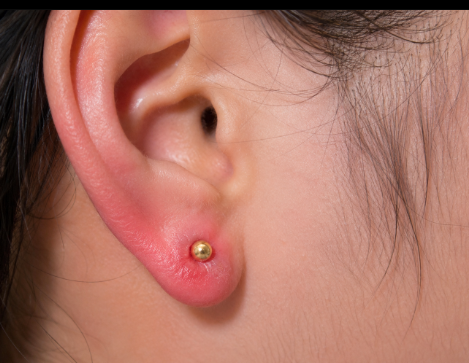
Red, itchy, or swollen ears after a night out usually come down to one specific cause: nickel. It's the most common metal allergen in jewellery, and it's often present sometimes undisclosed in lower-quality alloys and in the base metal underneath plated finishes. The fix isn't to avoid earrings altogether; it's knowing what to check for before you buy.
This guide covers the materials most commonly recommended for sensitive ears, the styles that put less strain on the earlobe generally, and since this matters specifically for a gold-plated collection an honest look at where gold-plated jewellery fits into this picture.
What Actually Causes Ear Irritation
Sensitive-ear reactions are almost always a response to a specific metal, not to "cheap jewellery" in some vague general sense. The most common culprits:
-
Nickel — by far the most common allergen, frequently used in lower-quality alloys to add strength or reduce cost
-
Cobalt and chromium — less common than nickel, but present in some alloy blends
-
Base metals exposed through worn plating — if a plated layer wears down and the metal underneath contains nickel, irritation can start well after the piece was originally comfortable to wear
A reaction can show up as redness, swelling, itching, or soreness, and it doesn't always appear immediately — it can develop hours or even days after wearing a problematic piece, which makes it harder to identify the exact culprit if you own several pairs.
Materials Commonly Recommended for Sensitive Ears

-
Surgical steel — widely tolerated and affordable, though it typically contains a small amount of nickel, so those with more severe allergies may still react to it
-
Titanium — biocompatible enough to be used in medical implants, lightweight, and generally very well tolerated, though usually a higher price point than base-metal alternatives
-
High-purity solid gold (18k–24k) — nickel-free and generally well tolerated, though lower-karat gold alloys can contain nickel, zinc, or copper for added strength, which may cause reactions in more sensitive individuals
-
Platinum — chemically inert and rarely a source of irritation, though it sits at the highest price point of the group
Each of these is a genuinely solid option if sensitivity is a significant, recurring issue for you. None of them is the product category this collection is built around, and it's worth saying so plainly rather than pretending otherwise.
Where Gold-Plated Jewellery Fits In
Here's the honest version of this question: gold-plated jewellery's suitability for sensitive ears depends almost entirely on the base metal underneath the plating — not on the fact that it's plated. A thick, well-made gold layer over a nickel-free base metal can be perfectly comfortable for many people. The same plating over a nickel-containing base metal can cause a reaction, particularly once the plating has worn thin enough to expose what's underneath.
This is exactly why "gold-plated" alone isn't a useful enough label to base a sensitive-ears decision on — for any plated jewellery, from any seller, the base metal is the detail that actually matters. If you have a known, significant nickel allergy, it's worth asking directly what the base metal is before buying any plated piece, rather than assuming plating type tells you enough on its own.
For milder sensitivity, many people find well-made plated jewellery entirely wearable, particularly in styles that reduce overall skin contact and pressure on the lobe — which is the next section of this guide.
Styles That Help, Regardless of Material
Beyond material, the shape and construction of an earring affects comfort for sensitive ears:
Flat-back studs

A flat, low-profile back reduces skin contact compared to a traditional butterfly back, and many people find them noticeably more comfortable for longer wear
Small hoops and huggies

lighter and less likely to pull on the earlobe than larger pendant or drop styles, provided the closure is smooth rather than rough-edged; see our hoop earrings collection for the smaller, closer-fitting end of the range
Lightweight studs generally

less overall pressure on the piercing than heavier designs, regardless of the specific metal; our lightweight earrings collection is built around this principle. Smooth, well-finished edges — rough or poorly finished metal edges increase friction against the skin, which can aggravate sensitivity even when the metal itself isn't the primary issue
Choosing a lighter, smoother-fitting style won't resolve a genuine metal allergy on its own, but it reduces the mechanical irritation that often compounds a mild sensitivity into a more noticeable reaction.
What to Check Before Buying, From Any Seller
-
Ask what the base metal is, particularly for any plated piece — a seller who can't or won't answer this is worth being cautious with
-
Look for explicit wording like "nickel-free" rather than assuming "hypoallergenic" alone guarantees anything, since the term isn't tightly regulated
-
Don't assume price indicates safety — a more expensive plated piece isn't automatically more nickel-free than a cheaper one unless the seller specifies otherwise
-
If you have a known, significant nickel allergy, prioritise solid high-purity gold, titanium, or platinum over any plated option, since these carry less uncertainty
-
If your sensitivity is mild or occasional, a well-made plated piece in a lightweight, smooth-finished style is often a reasonable and comfortable choice — just don't assume it automatically without checking
Care Tips to Reduce Irritation
-
Clean earrings regularly — wipe them down after wear to remove sweat, oils, and product residue that can contribute to skin irritation over time
-
Apply skincare, perfume, and hairspray before putting earrings on, not after, to reduce direct chemical contact with the metal
-
Give your ears occasional breaks — a day or two without earrings periodically can help reduce cumulative irritation, particularly if you wear the same pair daily
-
Keep earlobes clean and moisturised with a gentle, unscented product, since dry or irritated skin reacts more readily to any metal
-
Store earrings properly in a dry, clean space to avoid dust and residue buildup that can transfer back onto the skin
FAQs
Why do earrings that never bothered me suddenly hurt or irritate my ears?
This can happen if a plated finish has worn down enough to expose the base metal underneath, if skin has become more sensitive over time, or if a new product (perfume, lotion, sunscreen) is coming into repeated contact with the metal.
What metal is 100% nickel-free?
Pure titanium and high-purity solid gold (typically 18k and above) are commonly cited as reliably nickel-free, though it's always worth confirming with the specific seller rather than assuming based on metal type alone.
How can I tell if a specific pair of earrings will irritate my ears?
There's no fully reliable test without wearing them, but checking the disclosed base metal, avoiding vague "hypoallergenic" claims without detail, and starting with shorter wear times for a new pair are reasonable ways to reduce risk.
How do I know if an earring is genuinely hypoallergenic?
Look for specific material disclosure — nickel-free, surgical-grade, or a named high-purity metal — rather than the word "hypoallergenic" alone, since the term isn't standardised or regulated in most markets.
Can gold-plated earrings ever be suitable for sensitive ears?
Yes, depending on the base metal underneath the plating. This varies by product, which is why checking directly with the seller matters more than assuming based on the plating type alone.
Are heavier earrings worse for sensitive ears?
Not directly in terms of allergic reaction, but added weight and pressure on the earlobe can aggravate irritation that's already present, which is why lighter styles are often recommended alongside hypoallergenic materials.
Browse comfortable, everyday-friendly styles in our lightweight earrings collection at Mine of Design.