Cart
0
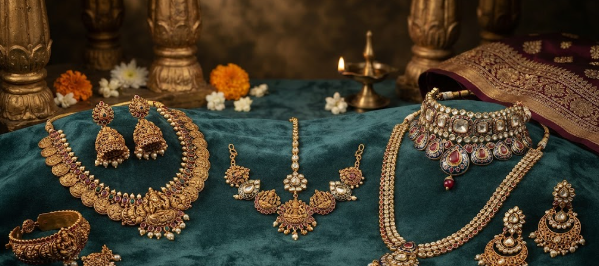

Gold vermeil (pronounced "vehr-may") is gold-coated jewellery built to a specific, legally regulated standard: a sterling silver base, coated with a gold layer at least 2.5 microns thick, using gold that's at least 10 karat. That's a meaningfully different, more tightly defined category than standard gold-plated jewellery, which has no regulated minimum thickness or base metal requirement at all — "gold-plated" can describe a wide range of actual quality depending entirely on the seller.
This guide covers exactly what separates vermeil from standard gold plating, where gold-filled jewellery fits into the picture, and where Mine of Design's own gold-plated construction sits relative to all three.
What Gold Vermeil Actually Is
Vermeil is built from two precious metals rather than one: a sterling silver base (92.5% silver, with the remainder typically copper) coated in a gold layer through electroplating. What makes it a distinct, defined category rather than just "nicer plating" is that the term is regulated — in the US, a piece can only be legally called vermeil if the gold layer meets a minimum thickness of 2.5 microns and a minimum purity of 10 karat gold. That's roughly five times thicker than the average standard gold-plated layer, which typically sits under 0.5 microns with no legal minimum at all.
This regulation is the real distinction worth understanding — it's not that vermeil is simply better plating," it's that the term itself carries an enforceable definition that standard gold-plated" doesn't.
What Standard Gold Plating Is, By Comparison
Standard gold plating uses a thin gold layer — commonly under 0.5 microns — applied over a base metal that can be brass, copper, stainless steel, or another alloy, depending entirely on the manufacturer. We cover exactly how this process works in our guide on what gold plating is. Because there's no regulated minimum thickness or base metal standard for "gold-plated" as a label, quality varies considerably between sellers — which is exactly why checking the specifics of a given piece matters more than the label alone.
Side-by-Side Comparison
| Gold Vermeil | Standard Gold Plating | |
|---|---|---|
| Base metal | Sterling silver (regulated requirement) | Varies — brass, copper, stainless steel, or other alloys |
| Minimum gold thickness | 2.5 microns (US legal standard) | No regulated minimum |
| Minimum gold karat | 10 karat (US legal standard) | No regulated minimum |
| Typical durability | More durable due to thickness | Wears faster, particularly with thinner layers |
| Typical price positioning | Often categorised as "demi-fine" | Fashion jewellery pricing |
| Typical weight | Heavier than standard plating over a lightweight base | Generally lighter, especially over an aluminium or lightweight alloy base |
Where Gold-Filled Jewellery Fits In
A third related term is worth knowing, even briefly: gold-filled jewellery uses a much thicker gold layer than either vermeil or standard plating, mechanically bonded (via heat and pressure) to a base metal rather than electroplated — with gold making up at least 5% of the total weight, versus a fraction of a percent for typical plating. Gold-filled is generally the most durable of the three, though it isn't the focus of this comparison, since it's a distinct manufacturing process rather than a variation on plating.
Is Vermeil More Hypoallergenic?

Generally, yes, though it's worth stating this precisely rather than as an absolute guarantee. Sterling silver is more consistently well-tolerated than the range of base metals used in standard plating, some of which may contain nickel — the most common jewellery allergen, which we cover in detail in our guide on choosing earrings for sensitive ears. Vermeil's regulated sterling silver base reduces uncertainty compared to an unspecified base metal, but "generally better tolerated" isn't the same as "guaranteed hypoallergenic for everyone" — anyone with a known, significant metal sensitivity should still check specifics rather than assume based on category alone.
Durability and Care
Vermeil's thicker gold layer holds up to daily wear better than typical thin plating, but it isn't maintenance-free. The sterling silver underneath can itself tarnish if the gold layer wears through in a specific spot, which is a different failure mode than a base metal simply becoming visible. Both vermeil and standard gold-plated pieces benefit from the same core care habits — applying perfume and skincare before putting jewellery on, avoiding prolonged water exposure, and storing pieces dry — even though the underlying construction differs.
Where Mine of Design's Gold-Plated Jewellery Fits
To be direct about our own positioning: Mine of Design's collection uses standard gold-plated construction over a lightweight base metal, not gold vermeil. This is a deliberate choice rather than a lesser one — it's what keeps our pieces lighter and more affordable across a wide design range, consistent with the fashion-jewellery positioning covered throughout our gold-plated earrings and lightweight earrings collections. If your priority is the specific combination of sterling silver's durability and hypoallergenic properties with a thicker gold layer, vermeil is the category to look for — it's simply a different product built for a different priority than what our collection is designed around.
FAQs
How is gold vermeil pronounced?
"Vehr-may" — the final consonant is silent, following the term's French origin.
Is gold vermeil real gold?
Yes — it's a genuine gold layer, regulated to a minimum thickness and karat, applied over a sterling silver base rather than a base metal alloy.
What's the minimum standard for something to be legally called vermeil?
In the US, a gold layer of at least 2.5 microns and a gold purity of at least 10 karat, applied over a sterling silver base.
Is gold vermeil the same as gold-plated?
No — while both use a gold layer over another metal, vermeil is a regulated category with a required minimum thickness, karat, and sterling silver base. Standard gold-plated jewellery has no such regulated minimums and can use various base metals.
Is vermeil hypoallergenic?
Generally more consistently tolerated than standard plating over an unspecified base metal, since sterling silver doesn't typically contain nickel — though this isn't a guarantee for everyone with metal sensitivities.
Which is more durable, vermeil or standard gold plating?
Vermeil generally holds up longer due to its thicker, regulated gold layer, though both benefit from the same basic care habits and neither is maintenance-free.
Explore our gold-plated collection, built for lightweight, everyday-friendly design, at Mine of Design.